
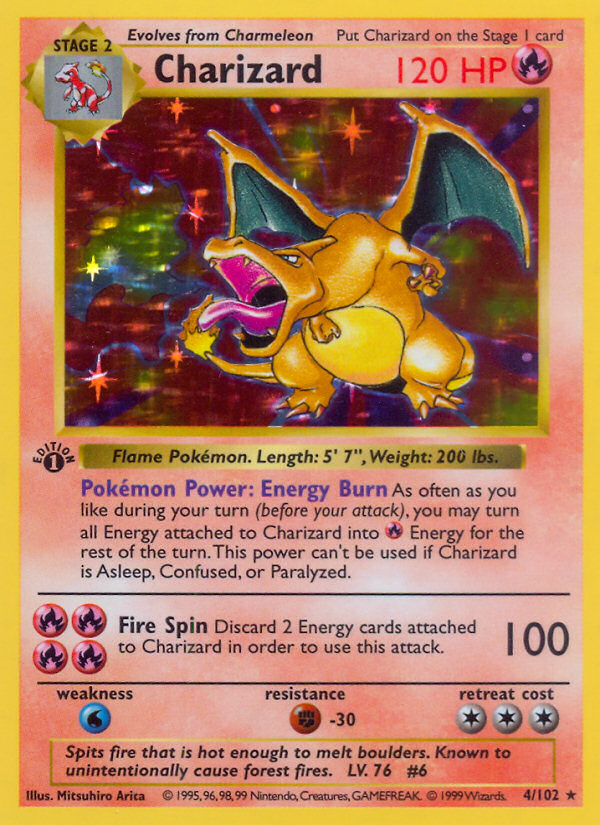
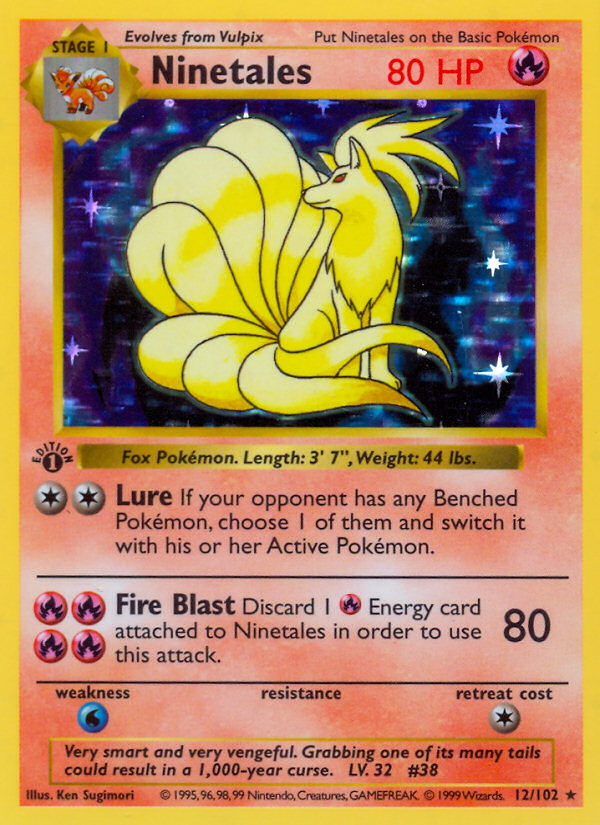
Binder builds every price from eBay sold listings over the last 90 days, separated by grade and filtered for outliers, then links each one back to the source listing so you can verify it. You see every grade side by side, from PSA 10 to raw played, instead of one blended number.
- Every price is built from eBay sold listings in the last 90 days, with each comp linked back to its source.
- Three filters run first: outlier rejection beyond three standard deviations, seller-quality checks, and strict variant matching.
- Shadowless never gets mixed into Unlimited, even when the listing title is sloppy.
- Prices show per grade, PSA 10, 9, 8, raw NM, and raw played, since each market moves at its own pace.
- Prices refresh hourly for the top 5,000 cards, daily for the next 50,000, and weekly for the long tail.
How a price gets computed
For every card and grade, Binder pulls eBay sold listings from the last 90 days. The pipeline runs three filters before the number reaches you: outlier rejection (sales more than three standard deviations from the moving median), seller-quality filtering (sales from accounts with stripping patterns or recency anomalies are dropped), and variant matching (Shadowless never gets mixed into Unlimited even when the listing title is sloppy).
Why the price is plural
You will rarely see a single number on a card. The market for a Wizards-era holo is at least five separate markets: PSA 10, PSA 9, PSA 8, raw NM, and raw played. Each of those moves at a different cadence. Binder shows all of them, side by side, so you know which slice of the market your card is actually in.
The refresh schedule
Prices refresh hourly for cards in the top 5,000 by market activity, daily for the next 50,000, and weekly for the long tail. If a price looks stale, tap the timestamp in the app to force a refresh; the request runs in seconds.
The honest caveat
eBay is not the entire market. Heritage and PWCC have their own auction cadences, private sales happen below the surface, and Japanese cards sell more on Yahoo Japan than eBay. Binder reads the public part of the market well. For grail-tier private transactions, treat our prices as the public floor, not the full picture.