
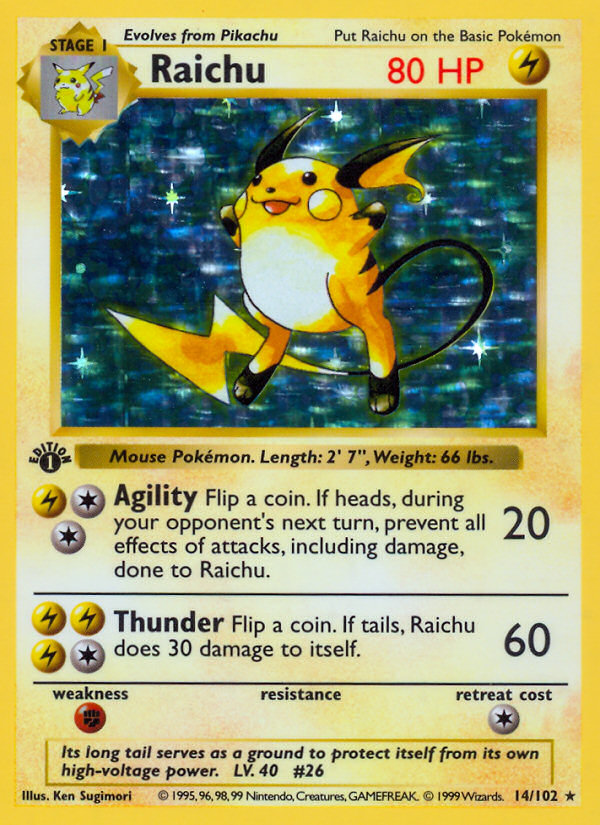
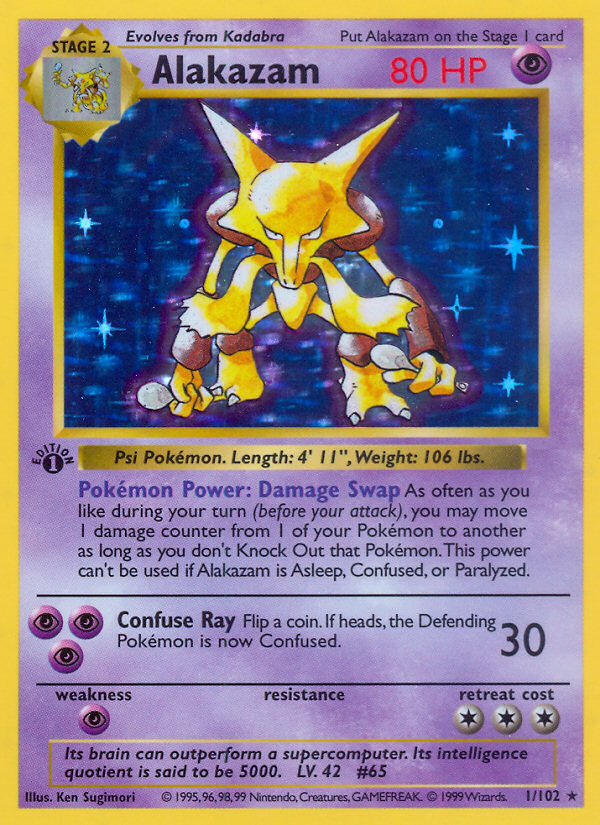
Start with the back: a real card shows a crisp TCG logo and a clean blue swirl, no halftone dots. Hold it to light; genuine cards have a black inner layer that blocks the glow. Then check fonts, energy symbols, and copyright text. For slabs, verify the cert number on the grader site.
- The cardback catches roughly 80% of casual fakes: sharp logo, even blue swirl, no halftone dots.
- The light test exposes cheap fakes instantly; real cards have a black inner layer that blocks most light.
- Energy symbols and fine fonts trip up fakes: washed-out colors and fuzzy circle outlines are the tell.
- The rip test is destructive; save it for a fake you already strongly suspect.
- For slabs, verify the cert number on the grader website; the lookup confirms the card, set, and grade.
Five tells, fastest first
Most counterfeits fail in the same predictable places. Run these in order and you will catch the vast majority before any money changes hands.
| Tell | Real card | Fake card |
|---|---|---|
| Back logo and swirl | Sharp logo, even blue gradient | Washed-out blue, blurry text, halftone dots |
| Light test | Black inner layer blocks the light | Glows through; no dark core |
| Energy symbols | Saturated colors, crisp outlines | Dull colors, fuzzy outlines |
| Copyright text | Full Pokémon Company legal line | Shortened or missing text |
| Tear (last resort) | Clean tear, faintly fibrous edge | Plastic or rough, wrong tear |
The cardback test
Flip the card over. The back should show a sharp, clean Pokémon TCG logo with the blue gradient running evenly across the swirl. Fakes commonly have a slightly washed-out blue, blurry text under the logo, or visible halftone dots once you put a loupe on it. The cardback alone catches roughly 80% of casual counterfeits before you even look at the front.
The light test
Hold the card up to a bright light. Real Pokémon cards carry a black or dark gray inner layer between the front and back that blocks most light. Counterfeits frequently skip that layer, so the card glows through. It will not catch a high-quality fake, but it ruins the cheap ones on the spot.
The font and energy-symbol test
The Pokémon TCG uses very specific fonts, and counterfeits routinely miss the kerning and weight on the subtle parts of the card. The most common fail point is the energy symbols at the top right, the small colored circles that show attack costs. On fakes the colors come out less saturated and the circle outlines look slightly fuzzy.
Modern fakes and the proxy market
A separate category exists: high-quality "proxy" cards sold openly as replicas. They are not counterfeits in the strict sense, since they are not passed off as authentic, but they are still illegal Pokémon trademark infringements. The diagnostic is the legal text along the bottom. Real cards carry the full Pokémon Company copyright line; proxies usually have shortened or missing text.
The rip test, only as a last resort
A real Pokémon card has a paper interior that tears in a characteristic way, clean with a faintly fibrous edge. Counterfeits printed on plastic or low-grade cardstock tear differently. This test destroys the card, so save it for confirming a fake you already strongly suspect.
Authenticating a slab
A graded slab is useful but not infallible. Verify the certification number on the grader's website. PSA, BGS, CGC, and SGC all keep public databases keyed to the cert number on the slab, and the lookup confirms the card, the set, the grade, and that the slab is real. Counterfeit slabs do exist, but they are rare above roughly $200 because the card underneath also has to match the cert listing.
Common questions
- How can I tell if a Pokémon card is fake?
- Start with the back. A real card has a sharp TCG logo and an even blue swirl with no halftone dots. Then hold it to a light: genuine cards have a black inner layer that blocks the glow, while cheap fakes shine through. Fuzzy energy symbols and missing copyright text confirm it.
- How do you spot a fake Charizard?
- The same checks as any card, applied carefully, because Charizard is among the most-faked cards in the hobby. Inspect the cardback swirl and text under a loupe, run the light test, and study the holo pattern at an angle. For any high-value Charizard, demand in-hand photos and verify the slab cert before paying.
- Can a graded slab be fake?
- Yes, but it is uncommon on cards worth more than about $200, since the card inside also has to match the cert. Always verify the certification number on the grader website. The lookup returns the card, set, and grade, which exposes a mismatched or invented cert.
- What is a proxy card?
- A proxy is a replica sold openly as a copy rather than passed off as real. It still infringes the Pokémon trademark and has no collector value. The tell is the legal text along the bottom: real cards carry the full Pokémon Company copyright line, while proxies shorten or omit it.