
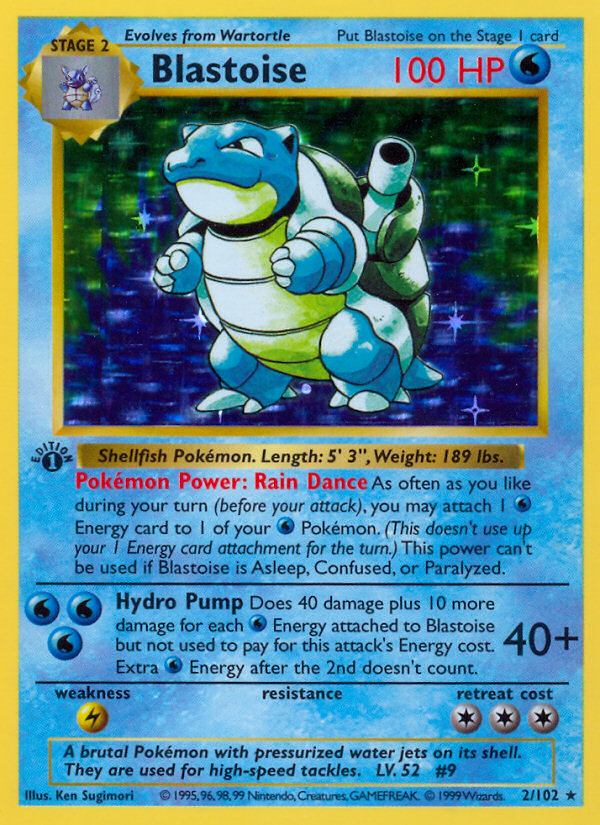
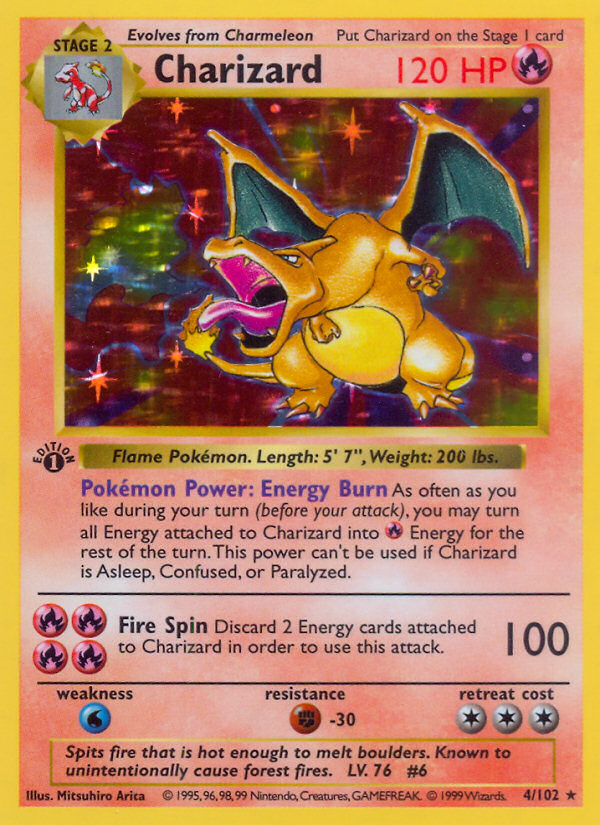
Binder is the deck-cost spreadsheet you never wanted to maintain. Build a deck and the total updates as you add cards, compare a cheapest-legal cost against a full alt-art cost, get pinged when a card moves more than 15% in a week, and see which cards rotate out of Standard next.
- Deck totals update as you add cards, and you choose the holo, reverse holo, or full-art version.
- Run a competitive cost view (cheapest legal version) next to an aspirational cost view (full alt arts).
- Price alerts ping you when any card in your deck moves more than 15% in a 7-day window.
- A rotation calendar tags each card and shows which of your deck cards rotate next.
- Pricing is built around English prints and the eBay market; Japanese print prices are not covered yet.
Build a deck, see the total
Add cards to a deck in Binder and the total cost updates as you go. The split between holo, reverse holo, and full-art versions is up to you. The app prices what you actually pick. Most competitive deck builders end up with a "competitive cost" view (cheapest legal version of every card) and an "aspirational cost" view (full alt arts) to see both numbers.
Watch your sideboard
A single hot tech card during Regionals season can double in a week. Binder watches every card in your deck and pings you when prices move more than 15% in a 7-day window. The flip side is also useful: when a card you are holding spikes, you know.
Rotation calendar
Standard rotation matters for value. The year a set leaves Standard is usually when its prices floor. Binder tags every card with its rotation status and shows you which cards in your current decks rotate next. If you are a player who also collects, that overlap is where the real spending decisions live.
The honest part
Binder is built around English prints and the eBay market. If you play in Europe or Asia, the local market may diverge from what we show. The card identification works on Japanese prints. The price comp data does not, yet. If that matters to you, the iOS app is honest about which prices are reliable for which print.