
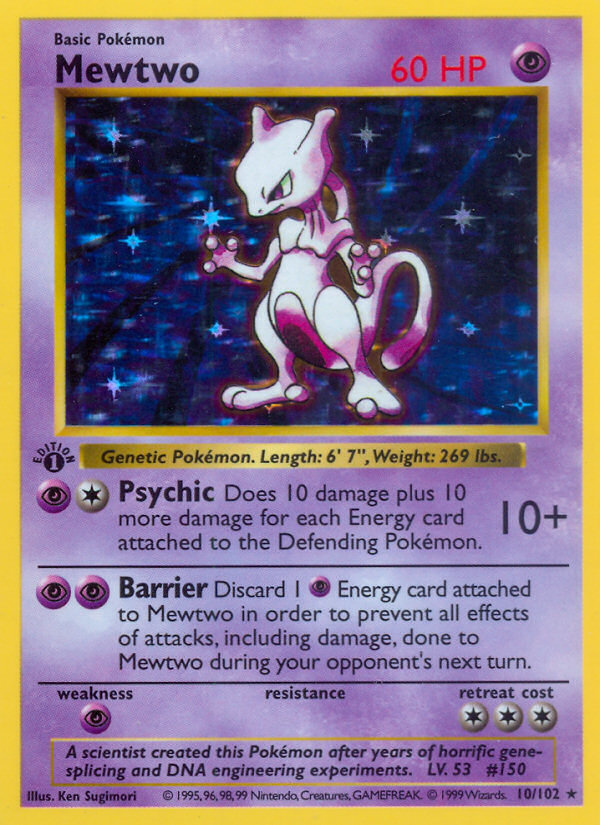
Point Binder's camera at any Pokémon card and it reads the name, set, number, variant, and grading label on device, then attaches a live eBay price for that exact card and grade. Slabs get their own pipeline, and most iPhones return a priced result in under two seconds.
- It reads the print itself, not the artwork: name, set, number, and the 1st Edition, Shadowless, or Unlimited variant.
- Slab mode reads the grade label first, then locks the comp pull to PSA, BGS, CGC, or SGC at that exact grade.
- Median time from card in frame to priced is about 1.4 to 1.9 seconds on an iPhone 13 or newer.
- Two-card mode keeps the camera open and adds cards as they enter frame, around 12 cards a minute.
- It does not yet read non-English prints and does not authenticate counterfeits.
What it actually reads
The scanner does not stop at "this is a Charizard." It locks down the set, the card number, the variant (1st Edition, Shadowless, Unlimited), and the grading label if the card is slabbed. Each of those changes the comp universe. A Shadowless Base Set Charizard and an Unlimited one are not the same trade.
- Card name, set, and number. Read off the print, not guessed from the artwork.
- 1st Edition stamp detection on Base Set, Jungle, and Fossil prints.
- Shadowless vs Unlimited Base Set distinction based on the drop-shadow check.
- Grader label and grade for PSA, BGS, CGC, and SGC slabs.
- Holo vs reverse holo vs non-holo when ambiguous from the cardback.
How fast is it
In testing on an iPhone 13 and newer, the median time from "card in frame" to "priced" is between 1.4 and 1.9 seconds. On older devices it stretches to about 2.5 seconds. The slow part is not the recognition. That is local. It is the live comp pull from our pricing service, which we cap at one second before falling back to the last cached value.
Slab mode
Most TCG scanners do not handle slabs well. The plastic case throws a reflection, the grade label sits at a different focal plane from the card itself, and the bordering around the slab confuses bounding-box detection. Binder runs a separate slab pipeline: it reads the grade label first, then locks the card recognition to that grade for the comp pull. The price you see is for the grade in your hand. No guessing.
Two-card mode
If you are working through a binder, you do not want to aim at every page. Two-card mode keeps the camera open, watches for the next card to enter frame, and adds it to your binder without re-tapping. Most users hit a steady rhythm of about 12 cards a minute on a clean binder page.
What does not work yet
A few honest caveats. The scanner does not yet read non-English prints (Japanese, German, French) reliably. It does not parse handwritten card sleeves or top-loaders with overlays. And it is not designed to detect counterfeits. It will price a fake the same as a real one because it has no surface authentication step.