
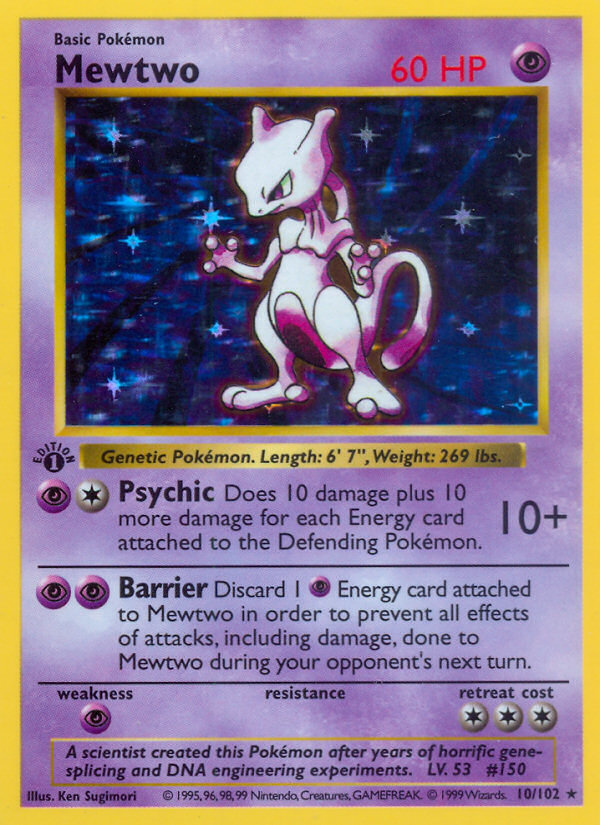
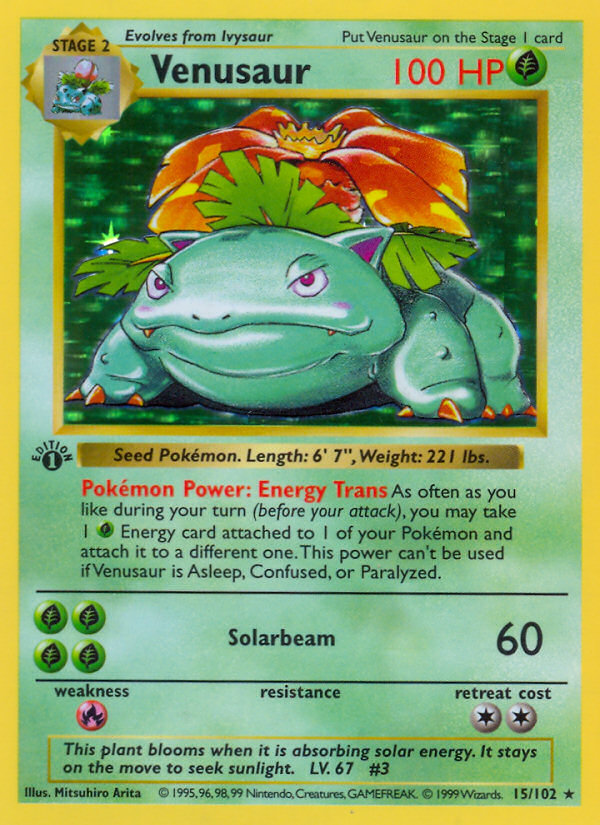
For the right product and a long enough horizon, yes. Vintage sealed product and PSA 10 marquee cards have beaten the market over 15-plus years. Most other Pokemon has not. After carry costs and a roughly 40% drawdown that already happened once, treat cards as a 10-year position, not a quick trade.
- The famous returns come from a few well-defined categories, not from Pokemon broadly.
- Survivorship bias inflates the headline numbers; most 1999 product returned nothing.
- Carry costs (insurance, storage, grading) quietly shave a few points off gross returns every year.
- The vintage market already fell about 40% from its 2021 peak, so a 50% drawdown is not hypothetical.
- Sealed product has been the cleaner trade than single cards over the last decade.
The headline number, and the catch
The stat everyone quotes: a sealed Base Set booster box bought at retail in 1999 for $99 traded above $400,000 at the early-2021 peak. That is roughly 38% annualized over 25 years. Next to the S&P 500 at about 10% annualized over the same stretch, Pokémon looks like a rout.
Where the real returns actually live
Three categories have beaten the market consistently across long horizons: sealed WOTC product from 1999 to 2003, PSA 10 graded WOTC chase cards (Base Set Charizard, Neo Genesis Lugia, Skyridge Crystal Charizard), and a short list of marquee modern chase sets like Hidden Fates, 151, and Crown Zenith. They hold up because the products are well defined and the survivorship bias is muted.
Almost everything else has returned average at best and lost money at worst.
The carry costs nobody mentions
A collection is not free to hold. Real annual costs add up across a few lines, and on a sizable collection they matter.
| Cost line | Typical annual range | Notes |
|---|---|---|
| Insurance | $500 to $1,000 | 1% to 2% of value on a collectibles policy |
| Climate storage | $0 to $1,000 | Only if you rent space or run a dedicated unit |
| Grading | Varies | Real money once you submit in volume |
| Opportunity cost | The big one | Capital tied up in a non-yielding asset |
Net it out and the gap to index funds narrows fast. A 12% gross return on cards, minus 4% carry, is 8% net. Competitive, but not the blowout the headlines imply.
Liquid in dollars, illiquid in practice
Pokémon is liquid by value and illiquid by convenience. A single $5,000 graded card can sell in a week on eBay. An entire $50,000 collection takes months to move without taking dealer-side haircuts. That exit friction is a real drag on returns, and it never shows up in headline appreciation.
The part that decides it: can you hold?
The single biggest factor in whether cards work as an investment for you is whether you can sit through a 50% drawdown. The 2021 peak gave way to roughly a 40% decline across most of the vintage market by 2023. Buyers who chased the top and panic-sold the bottom took crypto-style losses. Buyers who got in before the peak and held are back to break-even or better by 2026.
Cards are a 10-year asset, not a 2-year asset. Capital you might need in five years does not belong here.
An honest answer
For the right product, the right horizon, and the right buyer, Pokémon has produced genuine wealth. Not as widely as the gold-rush story claims, not as predictably as an index fund, but real. The rule of thumb: buy categories with a documented long-term track record, plan on a decade, budget for carry, and never size a position you cannot watch fall by half.
Common questions
- Are Pokemon cards a better investment than the stock market?
- A handful of categories, like vintage sealed product and PSA 10 marquee cards, have beaten the market over 15-plus years. Pokemon as a whole has not. After carry costs and exit friction, even the winners are competitive with index funds rather than dramatically ahead.
- What kind of Pokemon product holds value best?
- Sealed WOTC product, PSA 10 vintage chase cards, and a few marquee modern chase sets have the strongest track records. They are well defined, easy to authenticate, and less exposed to condition and pop-report risk than ordinary singles.
- How long should I plan to hold?
- Think in decades, not years. The historical winners all sit in the 15 to 25 year range, and the market has already shown it can fall 40% and take years to recover. Money you might need within five years should not be in cards.
- Is sealed product really safer than single cards?
- Safer in specific ways. Sealed avoids grading dependency and condition risk, and it carries a collector premium that does not rely on population dynamics. The trade-off is the temptation to open it and the risk of resealed fakes, so buy from sources you trust.