
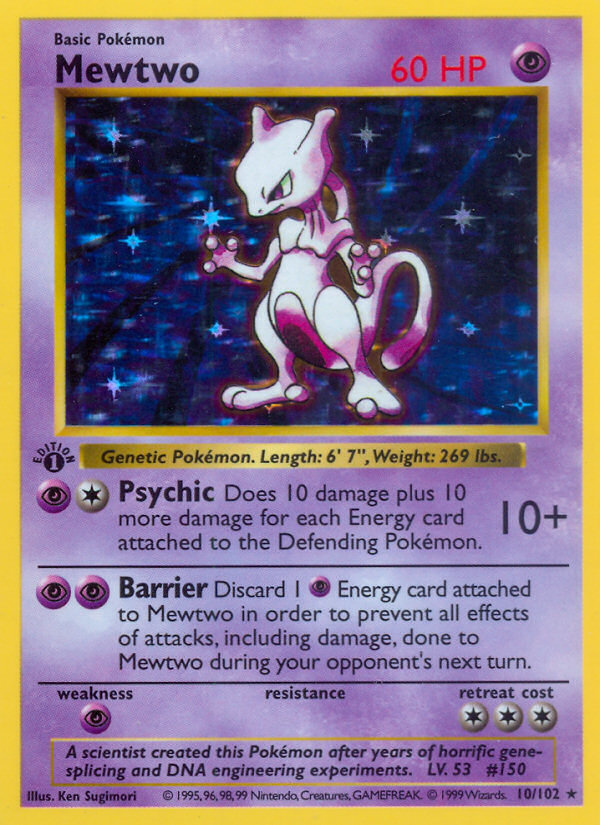
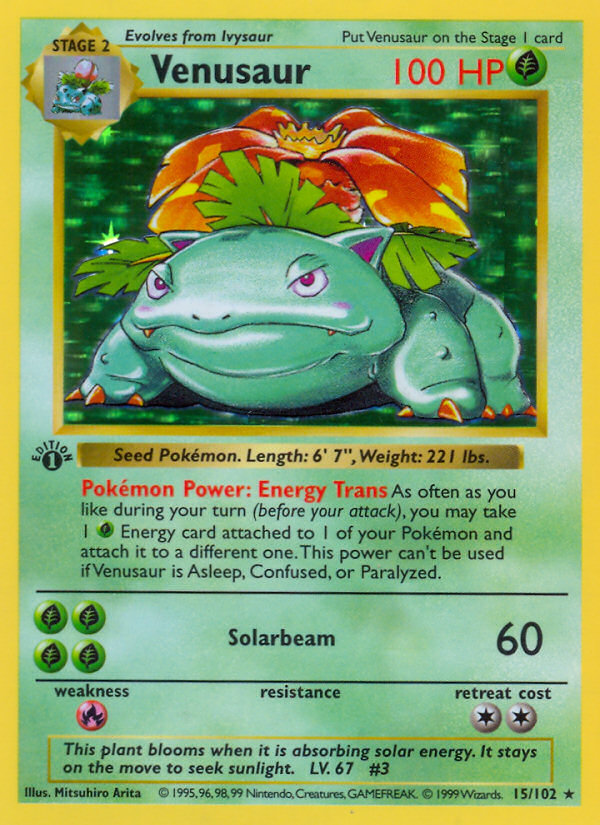
For the right box, yes. A 1999 Base Set Unlimited box went from $99 to the $15,000 to $18,000 range, about 22% a year. Most boxes do not move like that. Buy allocated sets with a marquee chase card, authenticate vintage above $1,000, budget 1% to 3% carry, and plan on a decade.
- A 1999 Base Set Unlimited box ran roughly 22% annualized; 1st Edition boxes now sell near $400,000.
- Only allocated sets with a marquee chase card and an intact factory seal reliably appreciate.
- Vintage sealed carries real resealing risk; authenticate anything over $1,000 with a specialist like BBCE.
- Carry runs 1% to 3% a year, leaving roughly 8% to 15% net on the winners over a decade.
- Cap any single sealed position near 5% of net worth and the whole category near 20%.
The historical return curve
A WOTC Base Set Unlimited box bought at retail in 1999 for $99 climbed as high as $25,000 by 2021 and has settled into the $15,000 to $18,000 range as of 2026, roughly 22% annualized over 27 years. 1st Edition Base Set boxes sit an order of magnitude higher: about $144 at retail, recent sales near $400,000.
| Sealed product | Retail at release | Recent market |
|---|---|---|
| Base Set 1st Edition box | ~$144 | Near $400,000 |
| Base Set Unlimited box | $99 | $15,000 to $18,000 |
| Hidden Fates box | Under $100 | $450 to $600 |
| Crown Zenith Elite Trainer Box | $70 | $90 to $130 |
| Prismatic Evolutions box | $170 | $400 and up |
Modern sealed follows the same shape on a compressed clock. Hidden Fates boxes retailed under $100 and now trade at $450 to $600. Crown Zenith Elite Trainer Boxes went out at $70 and run $90 to $130. Prismatic Evolutions boxes retailed at $170 and pushed past $400 within a year of release.
The three filters for a winner
Most boxes do not appreciate. The ones that do tend to clear all three of these filters.
- 1Allocated, not print-to-demand: a set that hit retail allocation in its first month appreciates; one still on shelves a year later sinks.
- 2A marquee chase card with cultural anchor: Charizard, gen-1 reprints, anniversary sets.
- 3Factory-original shrink wrap, with no resealing and no damage to the seal.
Authentication risk
For vintage sealed, counterfeit and resealed boxes are a genuine threat, and a resealed Base Set box can cost a buyer $5,000 or more. For any vintage purchase above $1,000, run it through a specialist authentication service. BBCE is the industry standard; they inspect seal integrity, total weight, and pack-weight uniformity, then certify the box.
For modern sealed from 2019 on, counterfeit risk is much lower because the print runs are recent and the wrap is harder to fake. Verify by weight, since manufacturer specs are public for modern sets, and by the holographic security features on the seal.
Carry costs and the breakeven
A sealed box is not free to hold. Stored at home with a dehumidifier the marginal cost is a few dollars a box a year; at a vault service it runs 0.5% to 1% of declared value annually, and insuring a $5,000 box adds roughly $50 to $100 a year. Call it 1% to 3% a year in total carry on boxes above $1,000.
Position sizing
Treat sealed as a real allocation with hard caps: no more than 5% of net worth in any single sealed position, no more than 20% in sealed Pokémon as a category, and no money you might need inside five years. The asset class has produced 40% drawdowns, so size every position to survive one.
The fastest money in sealed is made in the first two years after a set leaves the shelves.
Storage
Store boxes upright, like books on a shelf, in a temperature-stable room at 40% to 50% relative humidity and out of sunlight. Do not stack boxes flat for the long term; the ones on the bottom deform under the weight. For maximum preservation, slide each box into a hard plastic display case sized for booster-box dimensions, which BBCE sells, so the shrink wrap never rubs against a neighbor.
When to sell
The sell signal is usually one of three things, and it pays to pre-commit to them before you are emotional about the position.
- 1A new chase set is announced that will pull attention away from the set you hold.
- 2The marquee chase card from your set hits an all-time high graded price; sealed box prices tend to lag that peak by three to six months.
- 3You have crossed the return horizon you set when you bought.
Common questions
- Which sealed Pokemon boxes actually appreciate?
- The ones that are allocated rather than print-to-demand, carry a marquee chase card like Charizard or a gen-1 reprint, and stay in factory-original shrink wrap. Sets still sitting on shelves a year after release usually depreciate instead.
- How do I avoid buying a resealed vintage box?
- For any vintage sealed box over $1,000, use a specialist authenticator such as BBCE. They check seal integrity, total weight, and pack-weight uniformity. A resealed Base Set box can cost a buyer $5,000 or more, so the fee is cheap insurance.
- What return should I expect from a sealed box?
- On a 10-year hold, the winners have netted roughly 8% to 15% annualized after carry costs, while the losers run from breakeven to negative. Carry itself runs about 1% to 3% a year once a box clears $1,000 in value.
- How much of my money belongs in sealed Pokemon?
- As a rule of thumb, no more than 5% of net worth in any single sealed position, no more than 20% in sealed Pokemon overall, and nothing you might need within five years. The category has seen 40% drawdowns.