
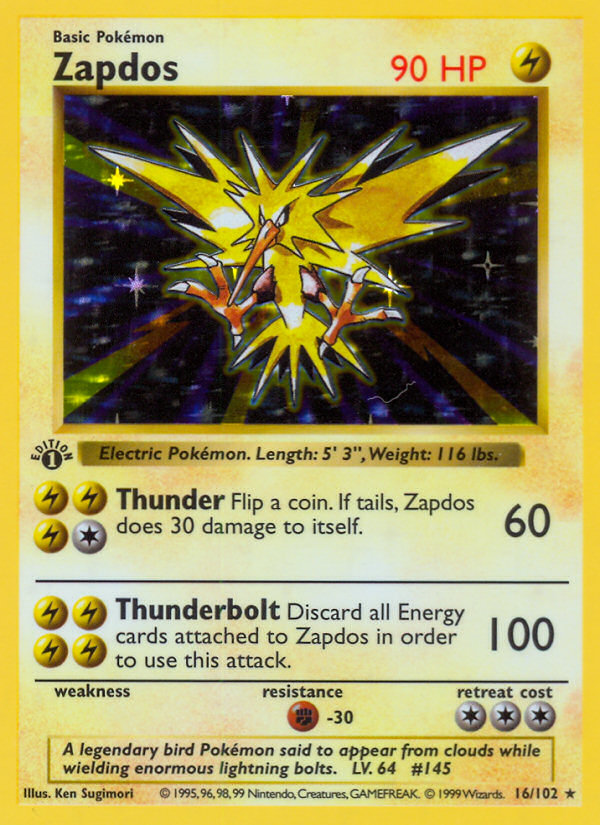
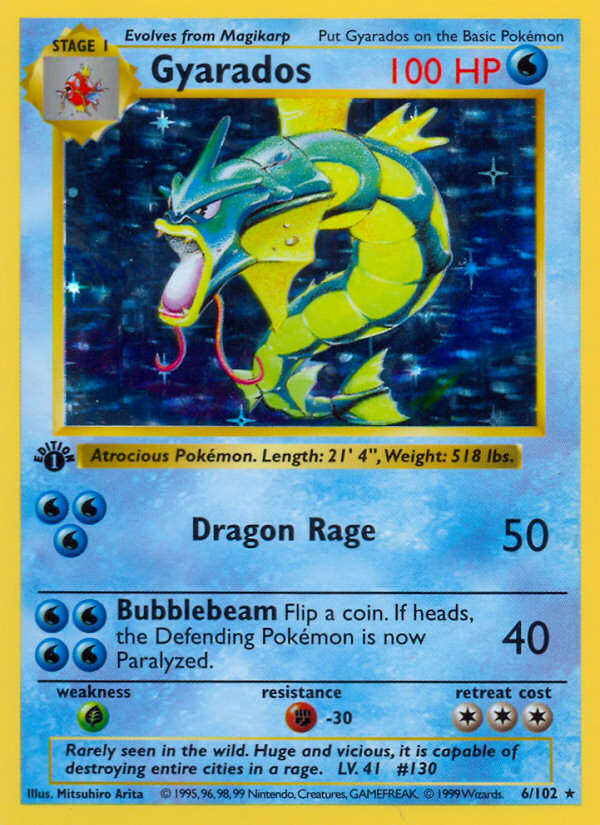
Inspect the card the way a grader will, before you pay. Measure centering against a 55/45 standard, check all four corners and the back ones under a loupe, rake the edges and surface under angled light, then write down an honest grade. Submit only when the 10 value clearly beats the fee.
- Inspect under bright indirect light with a loupe and a macro photo at 200% zoom; most flaws show in the photo.
- Centering is the top grade-killer on vintage; PSA wants roughly 55/45 or better for a 10.
- Check all four corners and edges, including the back, under raking light for whitening and nicks.
- Rotate the card at 45 degrees to catch surface and holo scratches that hide head-on.
- Submit only when the PSA 10 value clears the fee by a comfortable margin; otherwise leave it raw.
Set up the inspection
You are trying to see the card the way a grader will, so the setup matters as much as the eye. Get these in place before you judge anything.
- 1Bright, even, indirect light, never a single harsh overhead bulb.
- 2A black background so edges and whitening stand out.
- 3A 10x loupe or jeweler magnifier for corners and surface.
- 4A phone with macro mode on. Shoot the front and back, then zoom to 200% and study each corner, edge, and surface zone in turn.
Most defects a grader will catch are already visible in a well-shot macro photo. If it shows up at 200% zoom, it will show up on the slab.
Centering
Measure the borders. On the front, compare left to right and top to bottom. PSA wants roughly 55/45 or better for a 10, and CGC is slightly tighter. A card at 60/40 will not get a 10 from any grader, so submit it at a lower expectation or not at all.
For Wizards-era cards, centering is the single most common grade-killer. Print sheets shifted during production, and many cards carry factory centering no amount of careful handling can fix. Sort your candidates by centering before you look at anything else.
Corners and edges
Under the loupe, all four corners should be sharp, square, and free of whitening. Even pinpoint white spots drop the grade, and the back corners count just as much as the front, which is where a lot of submitters get surprised. Then check the edges under raking light: tilt the card toward the source and look for nicks, whitening, or roughness. On holos, watch for foil chipping along the edge of the holo window.
Surface
Hold the card at 45 degrees under a strong light and rotate it slowly. Scratches, indentations, and print defects all catch the light at certain angles. The holo window on a holo rare draws the most scrutiny: a single scratch visible under raking light usually caps the card at a 9. Print defects like stray color dots, missing ink specks, and broken holo lines count as surface flaws too, and graders are not lenient about them, factory artifact or not.
Write down an honest grade
After the inspection, commit to a predicted grade in writing, then pull the PSA pop report for the card. If the PSA 10 population is already in the thousands, your candidate has to be visibly perfect to be worth submitting. If the PSA 10 pop is under 50, even a strong PSA 9 can matter to a serious collector, and the pop-relative scarcity may justify the submission on its own.
Submit or leave it raw
Submission only pays when the jump in grade is worth more than the fee, with margin. Run it card by card against the table below.
| Card profile | PSA 10 value | Verdict |
|---|---|---|
| Clean 10 candidate | $500+ | Submit |
| Borderline 9 or 10 | $1,000+ | Submit; the 10 upside covers a 9 outcome |
| Borderline 9 or 10 | Around $100 | Leave raw |
| Sub-9 candidate | Any value | Leave raw or sell raw |
The pattern is simple: the higher the PSA 10 value, the more borderline a card you can justify sending, because the 10 outcome covers the cost of a 9. On a cheap card, even a likely 10 can be a wash once the fee is in.
Common questions
- Will my Pokémon card grade a 10?
- Probably not unless it is close to flawless on all four fronts. Measure centering against 55/45, check every corner including the back for whitening, and rake the surface and edges under angled light. A single soft corner, off-center axis, or holo scratch typically caps the card at a 9.
- How do I check centering before grading?
- Compare the border widths on opposing sides of the front, left to right and top to bottom. PSA wants about 55/45 or better for a 10. Anything around 60/40 will not reach a 10 at any major grader, so it is the first thing to sort by, especially on vintage.
- Is it worth grading a card worth $100?
- Usually not if it is only a borderline 9 or 10, because the fee eats most of the upside. Grading pays when the PSA 10 value clears the fee with room to spare, or when the card is a near-certain 10. Otherwise it is often better to sell it raw.
- What is the best way to pre-grade a card for free?
- Photograph it in good light against a black background, zoom to 200%, and inspect each corner, edge, and surface zone. For a second opinion, post the photo with no commentary to a grading subreddit or Discord, where experienced graders will usually predict the grade within an hour.