
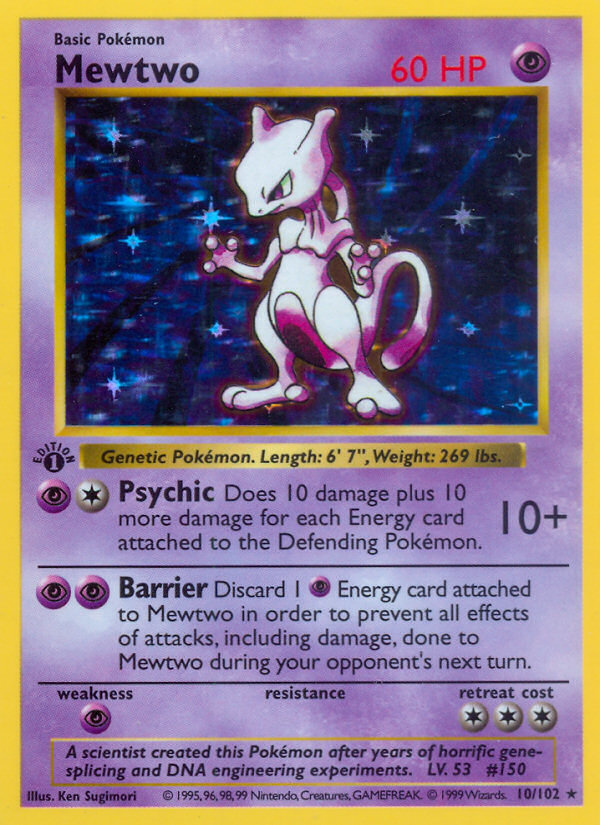
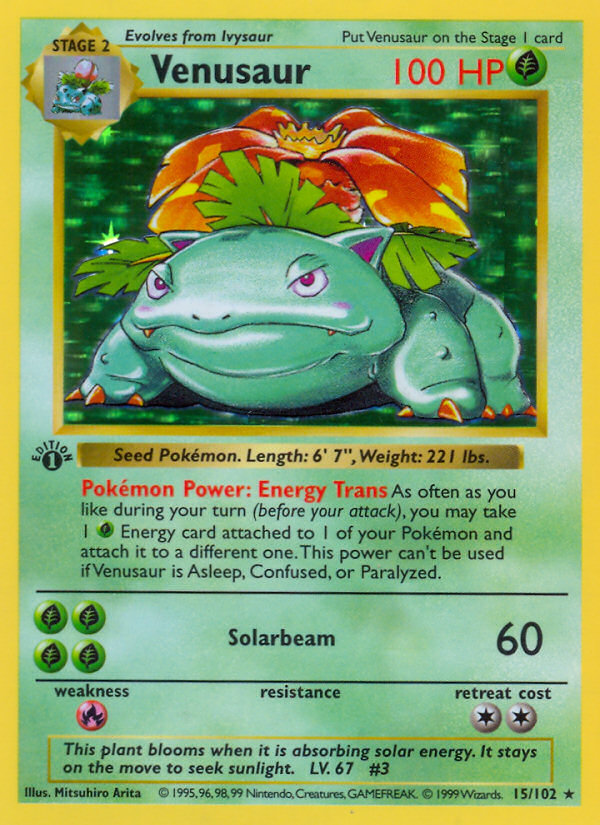
TCGPlayer Market Price is a smoothed moving average of recent sales, not a live quote, so it lags real prices by one to two weeks. It breaks down on thin-volume cards, graded cards, and freshly released sets. Triangulate it against eBay lowest active listings and most recent sold comps before you price.
- Market Price is a multi-week smoothed average of completed sales, not a real-time bid-ask.
- It lags. In a fast-rising or falling market it trails actual prices by one to two weeks.
- It is unreliable for thin-volume cards, graded cards, and sets under 60 days old.
- Triangulate three points: Market Price, the lowest active eBay listings, and recent eBay sold comps.
- For graded and vintage chase cards, lean on PWCC auction archives and sold comps instead.
What Market Price actually means
TCGPlayer Market Price is calculated from recent sold-listing data, weighted toward verified buyers and recent activity, then smoothed across a few weeks to damp single-transaction volatility. The exact algorithm is not public, but the behavior is well understood: it is a moving average of completed sales, not a real-time bid-ask.
That means it lags. In a fast-rising market (a set just released, a chase card heating up), Market Price trails actual selling prices by one to two weeks. In a falling market, it lags by about the same.
Market Price is a rear-view mirror. In a fast market, the road ahead already looks different.
The numbers on a TCGPlayer page
TCGPlayer shows more than one figure, and they are not interchangeable. Each answers a slightly different question.
| Number | What it is | Best used for |
|---|---|---|
| Market Price | A smoothed average of recent sales | A lagging baseline |
| Median | The middle of recent sale prices | A sanity check against outliers |
| Direct Low | Lowest price from TCGPlayer Direct sellers | Real inventory available right now |
Direct Low is often the most useful of the three for a fast comp, because it reflects verified premium inventory you can actually buy at that price today.
Where Market Price breaks down
Thin-volume cards
For a card that sells fewer than five copies a month on TCGPlayer, Market Price is essentially extrapolated from a tiny sample, and a single transaction can move it 30%. For vintage chase cards and rare modern variants, treat the number as a suggestion, not a fact.
Graded cards
Market Price for graded cards is thinner still. The grading-tier mix matters enormously (PSA 10 and PSA 9 prices diverge 5x to 20x), and the smoothing struggles to separate the tiers cleanly. Always cross-reference eBay sold comps and the PWCC auction archive for graded pricing.
Recently released sets
For a set in its first 60 days, Market Price moves daily as supply floods in and chase rarities settle. Yesterday's number is not today's. Refresh it right before you list or buy.
How to triangulate a real price
Pull three data points before you price a card. The honest band between them is usually narrower than any single source suggests.
- 1TCGPlayer Market Price, as the baseline.
- 2The five lowest active eBay listings, the floor of immediate buyer options.
- 3The five most recent eBay sold listings (with the Sold filter on), the actual recent demand.
When to ignore Market Price entirely
- Graded cards: use the PWCC auction archive and eBay sold comps.
- Sealed product: use 130point.com (an eBay sold tracker) and r/PokemonTCG sales threads.
- Recently released set chase cards: check active listings and sold comps every 24 hours.
- Vintage WOTC chase cards (Base Set Charizard, Neo Lugia): TCGPlayer is essentially useless; use auction archives.
Common questions
- Is TCGPlayer Market Price what a card actually sells for?
- Not exactly. It is a smoothed average of recent sales that lags the live market by one to two weeks. In a moving market it is a baseline to start from, not the current price a card will fetch today.
- Why is Market Price unreliable for graded cards?
- Graded volume is thin and PSA 10 versus PSA 9 prices can diverge 5x to 20x. The smoothing cannot separate the tiers cleanly, so cross-check eBay sold comps and the PWCC auction archive instead.
- Which number on a TCGPlayer page should I trust most?
- For a fast comp, Direct Low is often the most useful. It is the lowest price from verified TCGPlayer Direct sellers, so it reflects real inventory you can buy at that price right now, rather than a smoothed historical average.
- How do I price a thin-volume or vintage card?
- Skip Market Price and use sold comps. Look at recent eBay Sold listings and the PWCC auction archive, since a single sale can swing Market Price 30% on a low-volume card.