
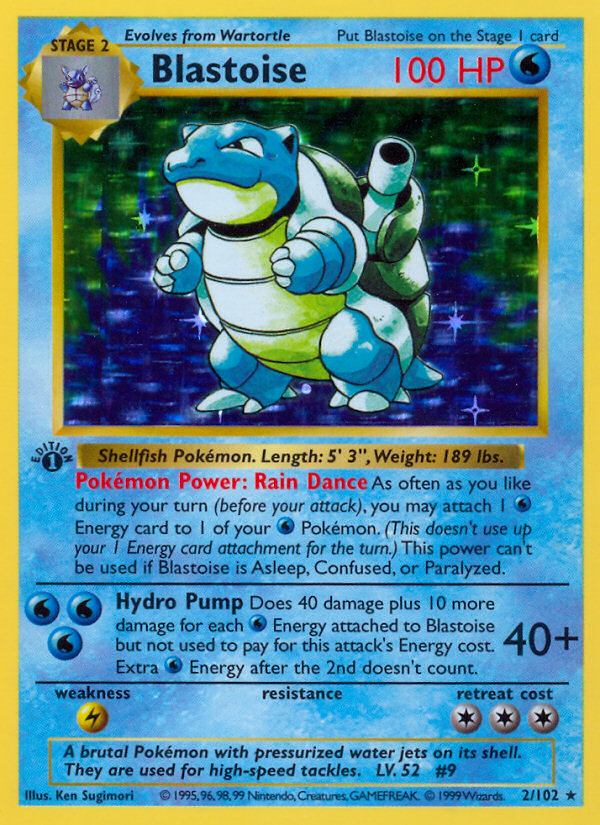
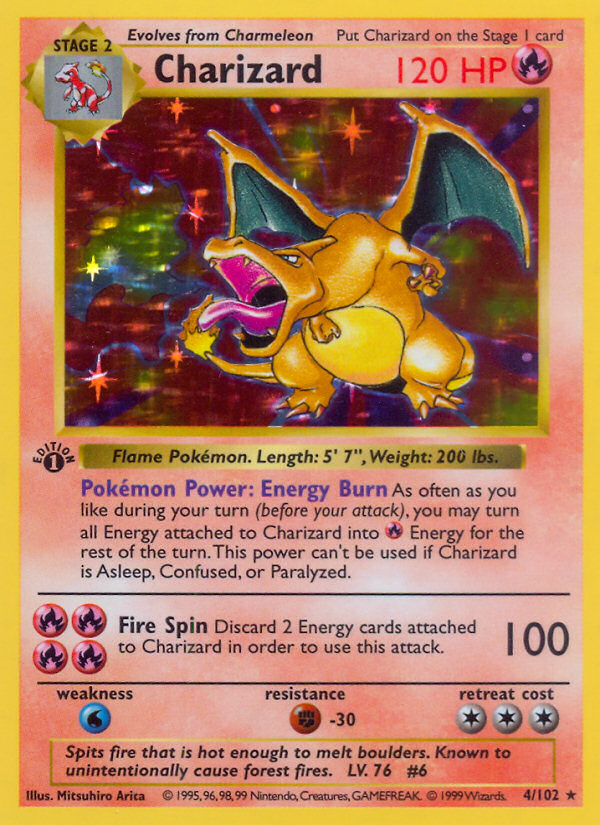
List with the exact tokens buyers type, photograph in natural light, and ship anything over $20 in a rigid box. Budget about 13% for eBay fees. Add signature confirmation above $50 or you lose every Item Not Received claim. Photograph the card sealed in the box before you ship; that evidence wins return scams.
- eBay fees run roughly 13% of the total sale, so a $100 sale nets about $84 before shipping.
- Signature confirmation is mandatory above $50, or Seller Protection will not cover Item Not Received claims.
- Ship any card over $20 in a rigid box, never a bubble mailer, with a penny sleeve and top-loader.
- Photograph the card sealed in the shipping box to defend against empty-package and substitution returns.
- Auctions tend to beat Buy-It-Now above $250; Best Offer works better below $100.
Write the title buyers actually search
Buyers find cards by typing exact tokens into the search bar, so the title has to carry every one of them: the official set name, the card name and number, the variant, the grade if graded, and the PSA cert number. Drop a token and the listing never surfaces. A title like "Charizard 4/102 Base Set Shadowless Holo Rare PSA 8 Pokemon Card 1999" answers every search a serious buyer runs.
Shoot the card straight-on in natural light against a black background, and add a back-of-card photo. For graded slabs, photograph both sides including the cert label. The eBay algorithm rewards listings with sharp photos and buries the dim phone snaps, so this is conversion, not vanity.
The fee math, before you price
eBay takes its cut off the total sale, item plus shipping, so the number you list at is not the number you keep. Run the math before you set a price.
| Line | Figure | Notes |
|---|---|---|
| Final value fee | ~13% | Of the total sale, item plus shipping |
| Per-listing fee | $0.30 | Flat, on top of the value fee |
| Payment processing | Bundled | Inside eBay managed payments |
| Net on a $100 sale | ~$84 | After fees, before your shipping cost |
International sales add their own fees on top. If you are moving ten or more items a month, a Basic eBay Store at about $28 a month cuts the per-listing fee enough to pay for itself.
Shipping: the part new sellers cheap out on
For any card above $20, ship in a rigid box, never a bubble mailer, with the card in a penny sleeve and top-loader sandwiched between two layers of cardboard. Bubble mailers crush under USPS sortation and cards arrive bent. The few dollars a rigid box adds is the cheapest return insurance you will ever buy.
| Card value | Minimum shipping setup |
|---|---|
| Under $20 | Penny sleeve, top-loader, rigid mailer |
| Over $20 | Rigid box, top-loader, two layers of cardboard |
| Over $50 | Add tracking and signature confirmation |
| Over $250 | USPS Priority Mail with declared insurance value |
The three scams that hit Pokémon sellers
The empty-package return
The buyer receives the card, opens a return, ships back an empty top-loader, and keeps the card. Your defense is a time-stamped photo of the card sealed inside the shipping box with the label visible, taken right before you close it. The eBay appeals team accepts that evidence.
The substitution return
The buyer ships back a damaged or fake card in place of the one you sent. Photograph the cert number on graded cards, or detailed front and back shots of a raw card, before it leaves your hands. When the return lands, photograph it the moment you open it and dispute if the card is not yours.
The friendly-fraud chargeback
The buyer accepts delivery, then files a chargeback through their card issuer claiming the package never arrived. Signature confirmation is the whole defense here. Without it you lose every chargeback of this kind, which is exactly why it is mandatory above $50.
Pick the selling format by card value
Match the format to the card. Under $100, run Buy-It-Now with Best Offer enabled and set the price about 15% above your target so there is room to accept offers in range. Above $250, a 7-day auction starting at $0.99 with no reserve consistently beats a fixed price, because final-hour bidding momentum pushes the close higher than most buyers would click on a Buy-It-Now.
Your first 50 sales decide the next 500
Early feedback compounds. Ship same-day or next-day, answer messages within twelve hours, and resolve disputes refund-first even when you are technically right, at least until you clear 100 feedback. Buyer confidence in your seller score moves bid frequency and final prices directly, so the patience you spend early buys you higher closes later.
Common questions
- How much does eBay take from a Pokemon card sale?
- The final value fee runs roughly 13% of the total sale, item plus shipping, with a $0.30 per-listing fee on top and payment processing bundled in. A $100 sale nets the seller about $84 after fees and before shipping cost.
- Do I really need signature confirmation?
- On any sale above $50, yes. Without it, eBay Seller Protection does not cover Item Not Received claims or friendly-fraud chargebacks, so the buyer can be refunded while you lose the card. It costs a couple of dollars and is the cheapest protection you can buy.
- Should I use auction or Buy-It-Now for Pokemon cards?
- Under $100, Buy-It-Now with Best Offer enabled works best; set it about 15% above your target. Above $250, a no-reserve 7-day auction starting at $0.99 tends to close higher because of final-hour bidding momentum.
- How do I protect against an empty-box return scam?
- Photograph the card sealed inside the shipping box with the label visible, time-stamped, right before you close it. If the buyer returns an empty holder, the eBay appeals team accepts that photo as evidence and you keep the sale.