
Dealers buy to resell, so expect 50% to 70% of market on raw singles and 60% to 80% on graded, with vintage chase cards reaching 85% to 95% and modern bulk near 40%. Sort into tiers, bring printed comps, price asks 15% to 20% above your floor, and walk on any offer 30% below it.
- Dealers pay 50% to 70% of market on raw singles and 60% to 80% on graded; modern bulk runs 40% to 50%.
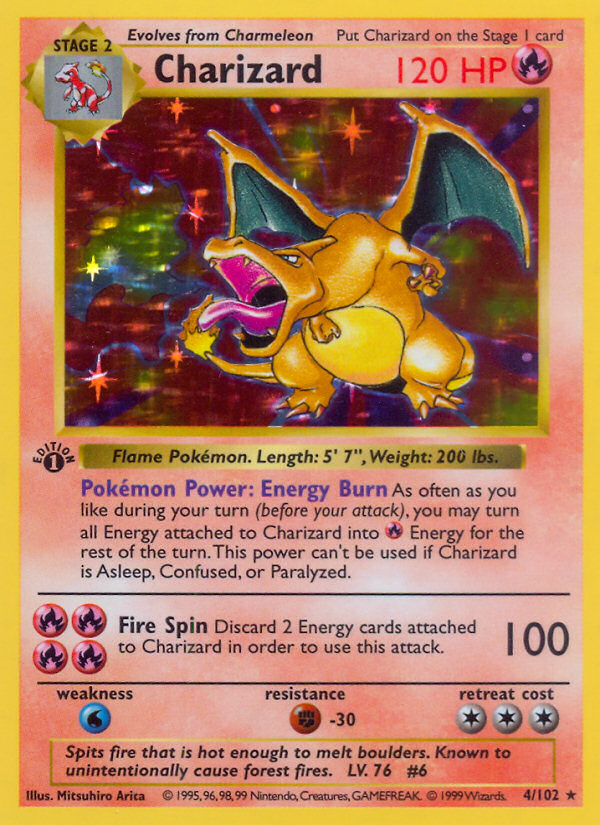
- Vintage chase cards like Base Charizard can reach 85% to 95% because dealers move them fast.
- Set your asks 15% to 20% above your floor and bundle bulk to close a whole tier at once.
- Keep top cards locked or under your hand, and photograph your inventory before the doors open.
- Walk on any offer more than 30% below your floor. There are 20 to 100 other booths in the room.
What a dealer will actually pay
A dealer buys to resell, so every offer is built off a margin. The cleaner and faster-moving the card, the closer to retail the offer gets; the slower the inventory, the deeper the discount.
| What you are selling | Typical dealer offer | Why |
|---|---|---|
| Raw singles | 50% to 70% of market | Dealer carries condition and resale risk |
| Graded slabs, high demand | 60% to 80% | Condition is locked and they sell quickly |
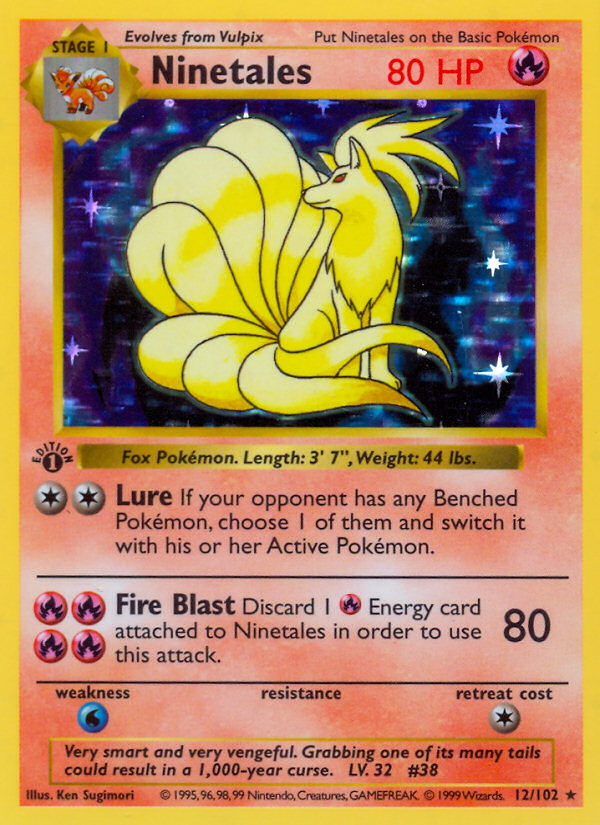
| Vintage chase (Base Charizard, Neo holos) | 85% to 95% | Moves fast, almost no inventory risk |
| Modern bulk | 40% to 50% | Slow movers, the dealer eats the float |
Presentation moves the percentage. Dealers do not want to inspect condition or argue sub-tier grades, so an organized, sleeved, photographed binder draws faster and higher offers than a loose stack.
Sort your inventory before you go
Split your selling material into three tiers and present each one differently. This lets a dealer find what they want in seconds instead of digging.
- Tier 1, graded slabs and high-value raw singles: a binder or a locked display case.
- Tier 2, mid-value raw singles from $20 to $200: a binder, sleeved and in order.
- Tier 3, bulk and sub-$20 cards: stacks or 5000-count boxes priced as "make me an offer on the lot."
Print a comp sheet for your top ten cards with the recent eBay sold price, the TCGplayer market number, and your ask. Dealers quote closer to retail for a seller who clearly did the homework, and the sheet lets you hold your line without arguing from memory.
Negotiating on the floor
Set your asks 15% to 20% above your floor so a dealer can counter and still land in your range. Then bundle: a dealer taking five of your top cards will pay closer to retail if you fold some bulk into the deal at cost. Bundling is the fastest route to clearing a whole tier in one transaction.
Keep your cards on the table
Card-show theft is real and well documented. Most of it happens during a busy browse, when you are showing one card to a buyer and a second buyer lifts a slab off the table. Keep your best cards in a locked case or a binder under your hand, bring a friend, and photograph your selling inventory before the show so you can prove what is missing if anything walks.
When to walk
If an offer lands more than 30% below your floor on a high-value card, walk. A show has 20 to 100 dealers, so do not take the first bad offer because the room feels big. Many shows have a second walk in the final hour, when dealers firm up their buy prices trying to close out the day.
The same trip, in reverse
Buying at a show is the mirror image. Dealers want to move inventory, and floor prices by hour six often sit around 20% below retail, especially on bulk lots of mid-tier cards. The most efficient use of a show day is the hybrid play: sell your bulk to one dealer, then buy your chase singles from another while prices are soft.
Common questions
- What percentage of value will a dealer pay at a card show?
- Roughly 50% to 70% of TCGplayer market on raw singles and 60% to 80% on high-demand graded slabs. Vintage chase cards can reach 85% to 95% because they sell fast, while slow-moving modern bulk runs 40% to 50%.
- How do I keep my cards safe at a card show?
- Keep your top cards in a locked display case or a binder under your hand, never loose on the table during a busy browse. Bring a friend, and photograph your full selling inventory before the doors open so you can prove what is missing.
- Should I take the first dealer offer?
- No. Set your asks 15% to 20% above your floor and expect a counter. Walk on any offer more than 30% below your floor; with 20 to 100 booths in the room, another dealer is a few steps away, and prices often firm up in the final hour.
- Is a card show better than selling online?
- A show is the fastest way to turn a collection into cash, but you sell at dealer pricing rather than retail. If you can wait, an online marketplace usually nets more per card. The show wins when speed and certainty matter more than the last dollar.