
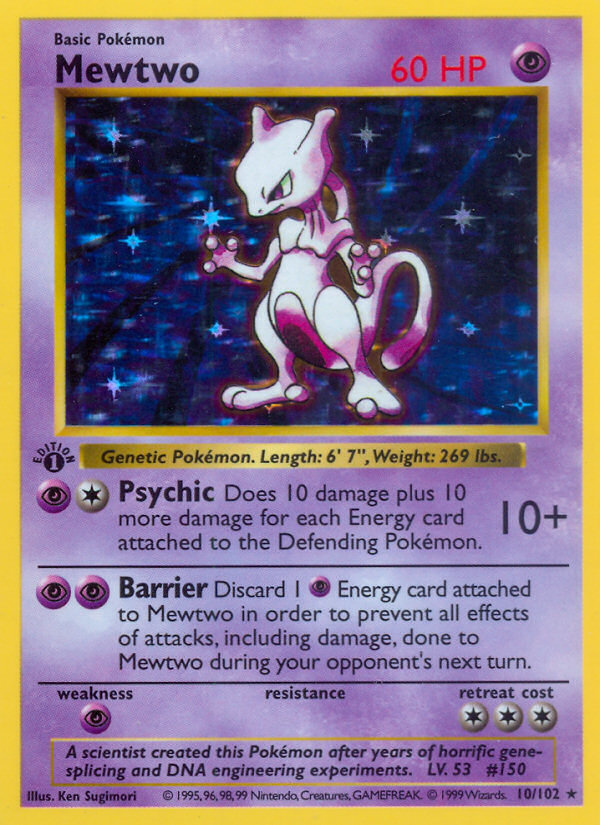
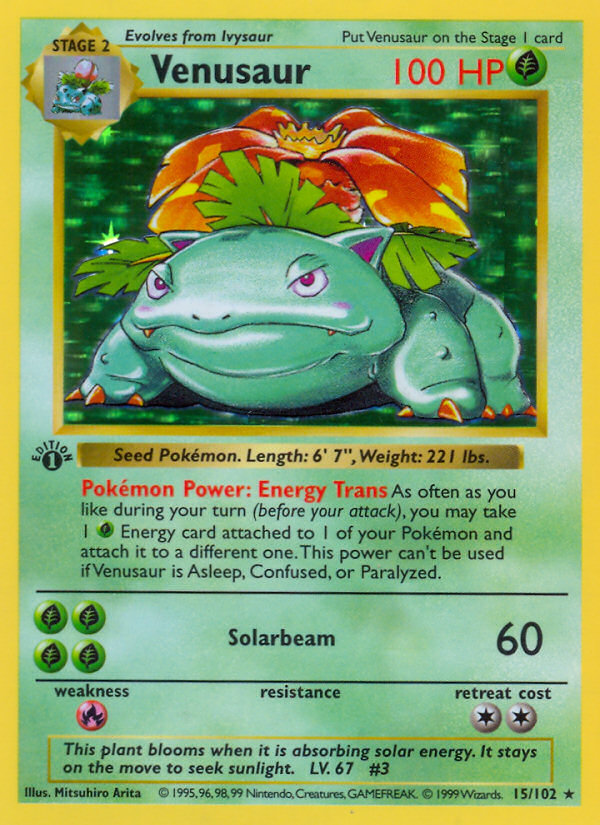
Collect Japanese for higher grade rates, tighter print quality, and concentrated chase cards; collect English for liquidity, resale, and Base Set nostalgia. Japanese grades PSA 10 far more often but trades thinner in the West at a 20% to 50% markup. For resale, prefer PSA over the Japan-domestic Ace Grading.
- Japanese cards use thicker stock with tighter registration, so they grade PSA 10 far more often.
- Japanese sets are smaller with concentrated chases; English combines two JP sets into a larger release.
- Japanese cards carry a 20% to 50% Western markup and are harder to flip outside chase cards.
- For resale, prefer PSA over the Japan-domestic Ace Grading, which lacks Western recognition.
- English keeps the nostalgia premium; Base Set Charizard in English is something Japanese cannot match.
The comparison at a glance
Four differences decide whether Japanese cards belong in an English-market collection: how they print, how the sets are built, how they price, and how they grade. Here is the short version before the detail.
| Dimension | Japanese | English |
|---|---|---|
| Release timing | First, 6 to 12 months ahead | Later, often two JP sets combined |
| Cardstock and print | Thicker, smoother, tighter registration | Thinner, looser registration |
| PSA 10 rate | Higher | Lower |
| Set size and chase | 60 to 80 cards, concentrated | 200-plus cards, diluted |
| Liquidity (West) | Thinner outside Japan | Deepest buyer base |
| Nostalgia premium | Limited in the West | Base Set carries it |
Print quality and cardstock
Japanese cards use a thicker, smoother stock than English cards of the same era, with consistently tighter print registration and better centering. The result is that they grade PSA 10 at noticeably higher rates than their English counterparts. This is the single biggest reason serious collectors mix Japanese into their holdings.
Release timing and chase structure
A modern Japanese set usually runs 60 to 80 cards plus a Secret Rare subset, while the English equivalent often merges two Japanese sets into a 200-plus card release. The smaller Japanese structure makes chase cards rarer per box and more concentrated, so a Japanese alt-art chase from a small set can pull more value per box than its English version.
Pricing and liquidity
The Japanese market trades on Mercari, Yahoo Japan Auctions, and a few dedicated shops like TCGRepublic, Cardrush, and Hareruya. Liquidity is thinner outside Japan for non-chase cards: a bulk Japanese common is harder to flip than a bulk English one, and even a Japanese chase moves slower than its English twin because the English buyer base is so much larger.
Japanese cards in the Western market usually carry a 20% to 50% markup over the Japanese street price, the cost of shipping, currency conversion, and the friction of buying overseas.
Grading: PSA vs CGC vs Ace Grading
PSA and CGC both grade Japanese cards. A third option, Ace Grading, is the Japan-domestic grader serving the local market. Ace slabs do not carry the same recognition with Western collectors as PSA. If you are buying Japanese cards for eventual resale in the West, send them to PSA.
When Japanese makes sense
- You want PSA 10 examples of marquee cards and the English versions are too thin in population.
- You like specific Japanese-exclusive cards or artwork; the Hyper Rare alt arts often differ from English.
- You are buying for how a binder looks rather than for resale.
- You travel to Japan or use a buying agent and can buy at retail.
When English makes sense: you want maximum liquidity in your home market, you are buying to resell, or you specifically value the English-language nostalgia. Base Set Charizard in English will always carry a cultural premium the Japanese version cannot match.
Common questions
- Are Japanese Pokemon cards worth more than English?
- Usually not, for the same card. English cards have the larger buyer base and carry the nostalgia premium, especially Base Set. Japanese cards win on print quality and grade rates, and a few Japanese-exclusive chases command a premium, but English holds the liquidity edge.
- Why do Japanese cards grade higher?
- They are printed on thicker, smoother stock with tighter registration and better centering than English cards of the same era. Those factory advantages mean a higher share come back PSA 10, which is why collectors chasing top grades often buy Japanese.
- Should I grade Japanese cards with PSA or Ace Grading?
- For resale in the Western market, use PSA. Ace Grading is the Japan-domestic grader and is respected locally, but its slabs do not carry the same recognition with Western buyers. PSA and CGC both grade Japanese cards and resell more easily abroad.
- What is the Japanese Base Set No Rarity card?
- It is the very first Japanese Base Set print, made before rarity symbols were added to the corner. Later prints carry a black, diamond, or star icon. No Rarity cards are scarce and valuable, with a PSA 10 Charizard in the high five figures, but most buyers mistake a later print for one.