
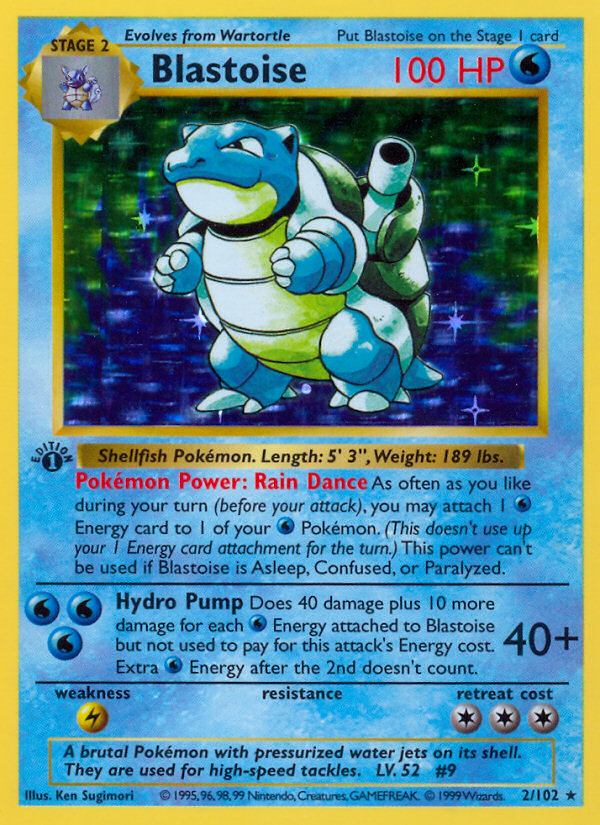
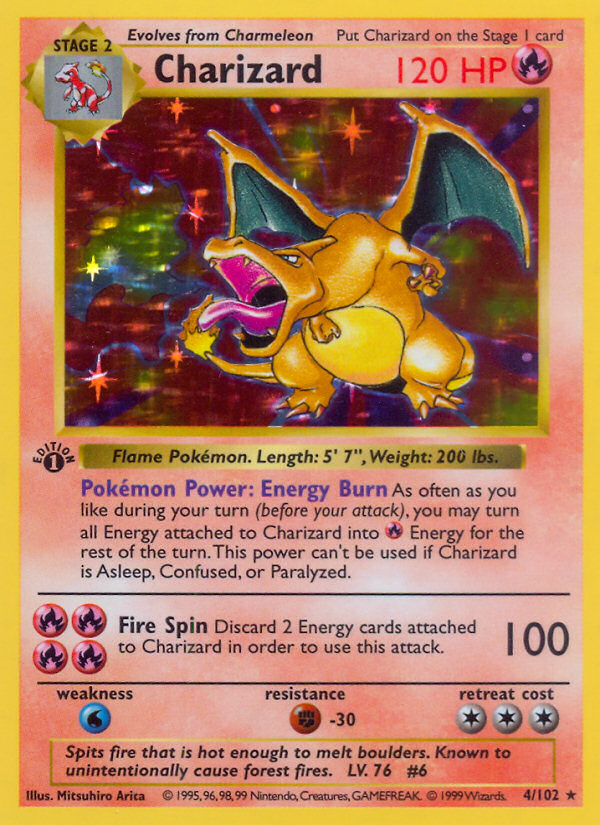
Crack a slab only when the upgrade is worth more than the fee plus the risk of damage. A reholder is cheap and safe but keeps the grade. A crossover moves a slab to a new grader with a minimum you set. A full crack-and-resubmit chases a higher grade, and it is the only one that can ruin the card.
- Reholder: same grader, fresh case, grade unchanged. Cheapest and nearly risk-free, around $20 per card at PSA.
- Crossover: a new grader regrades through the slab and only reholders if it hits the minimum you set.
- Crack-and-resubmit: highest payoff and the only move that can physically damage the card.
- Run the math: upgrade value must clear the fee with room to spare before you crack.
- Do not crack a top-tier grade, a low-value card, or a prized first-generation slab.
Three ways to change a slab
A sealed slab feels final, but three operations can move the grade or the case. They run from cheap and safe to expensive and risky, and picking the wrong one for the card is how people turn a $1,000 card into a creased one.
| Operation | What happens | Cost | Risk | Grade change |
|---|---|---|---|---|
| Reholder | Same grader reslabs the card, no regrade | About $20 at PSA | Almost none | None |
| Crossover | New grader judges through the slab, reslabs only if it clears your minimum | Submission fee | Medium: can come back ungraded | Possible |
| Crack-and-resubmit | You break the slab and submit the raw card | $25 to $200 by tier | High: a bad crack can chip or crease | Up or down |
The reholder: cheapest, safest
A reholder sends the slab back to its original grader to be reslabbed without regrading the card. It is the move when the case has scratches, fogging, or a cosmetic defect but the card itself is fine. The grade does not change. Cost runs roughly $20 per card at PSA's reholder tier, and risk is almost zero because the card stays in the grader's care the whole time.
Best for a high-grade vintage card sitting in an older PSA holder you want to refresh for resale, or any slab with visible holder damage that hurts a buyer first impression.
The crossover: medium risk
A crossover sends your slab to a different grader and asks them to grade the card without cracking it. They judge the card through the existing case. If their grade matches or beats a threshold you set ("minimum 9.5"), they crack and reslab it into their own holder. If it falls short, they return the card in the original slab, untouched.
The classic use is moving a BGS 9.5 into a PSA 10 holder for the resale premium. The risk is that the new grader reads the card more strictly than you hoped and hands it back ungraded, costing you the submission fee for nothing.
The crack-and-resubmit: highest risk, highest payoff
Here you physically crack the slab and submit the raw card to the same or a different grader. You do this when you believe the original grade was conservative and a fresh look will land higher. The classic play: a PSA 9 that looks like a 10 candidate gets cracked and resubmitted, and either upgrades to a 10, often 4x to 10x the value, or comes back another 9 with nothing lost but the fee.
The economics
For a PSA 9 you think is really a 10, the math is simple. If the PSA 10 trades at $1,000 and the PSA 9 trades at $200, the upgrade is worth $800. Resubmission runs $25 to $200 depending on tier, so the only real unknown is the odds of the upgrade. Pre-grade the card honestly first, and crack only when you are confident the original grade was wrong.
Which move for which card
- 1Holder is scuffed but the grade is fine: reholder with the original grader.
- 2Card sits in a BGS, CGC, or SGC slab and you want the PSA premium: crossover with a minimum grade set.
- 3You believe a PSA 9 is really a 10 and the spread is wide: crack and resubmit.
- 4Card is in an off-brand slab (HGA, GMA, AGS): you must crack first, since crossover will not accept it.
- 5Card is already a 10, a low-value card, or a prized first-gen slab: leave it alone.
When not to crack
If the card already sits at the top of its tier (PSA 10, BGS 10 Pristine) there is nothing to gain. If it grades below the point where price meaningfully moves, typically PSA 7 or lower for vintage, the upgrade math does not justify the risk. And if the slab itself carries collector value, as some first-generation PSA holders do, cracking it throws that value away.
Common questions
- Should I crack a PSA 9 and resubmit for a 10?
- Only when the price spread clearly beats the fee and the risk. If a PSA 10 runs $1,000 and the 9 runs $200, the $800 upside can justify a resubmission that costs $25 to $200. Pre-grade the card honestly first, and crack only if you are confident the original grade was too conservative.
- What is the difference between a crossover and a reholder?
- A reholder is the same grader reslabbing your card without changing the grade, useful for a scuffed case. A crossover is a different grader judging the card through the existing slab and reslabbing it into their holder only if it meets the minimum grade you set.
- Is it safe to crack a slab yourself?
- It can be, with the right tool. Dedicated slab-cracking pry bars open the case with minimal force. Freehanding it with a hammer or vise is how cards get chipped or creased, which destroys more value than a regrade would add. Never crack a card you are not prepared to risk.
- Can I crossover any slab to PSA?
- No. PSA's crossover tier only accepts BGS, CGC, and SGC slabs above certain grade thresholds. Off-brand slabs like HGA, GMA, and AGS are not eligible and must be cracked first, then submitted as raw cards. Confirm eligibility before paying.